
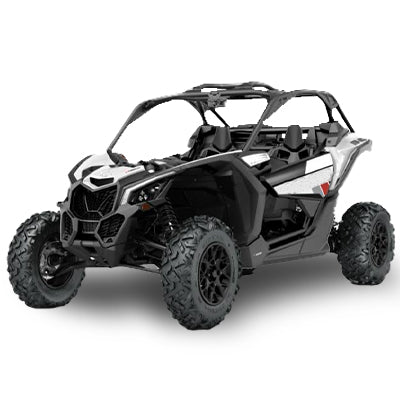
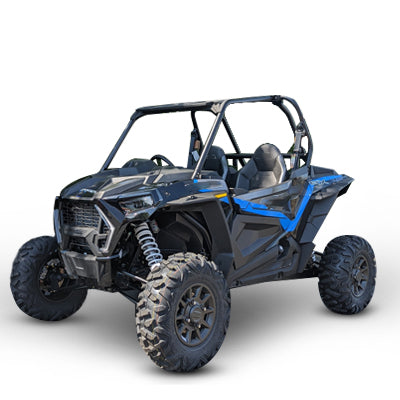
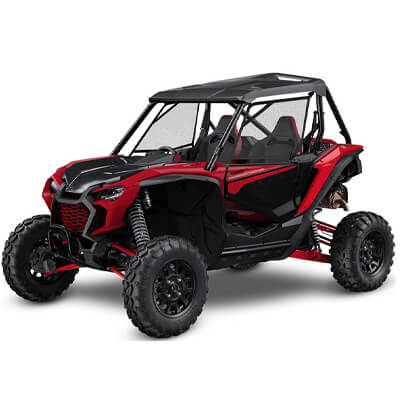
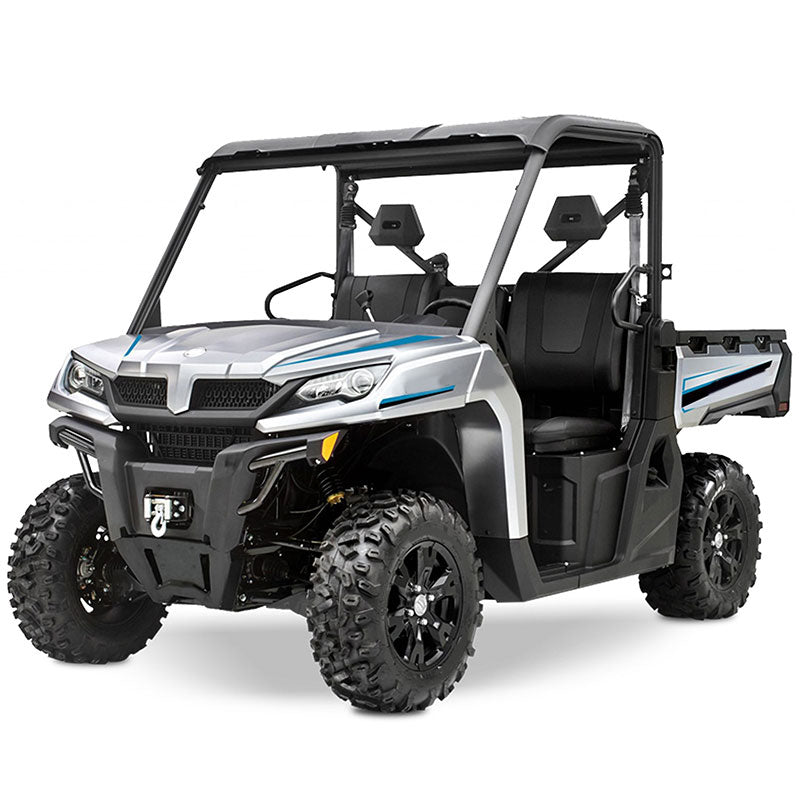
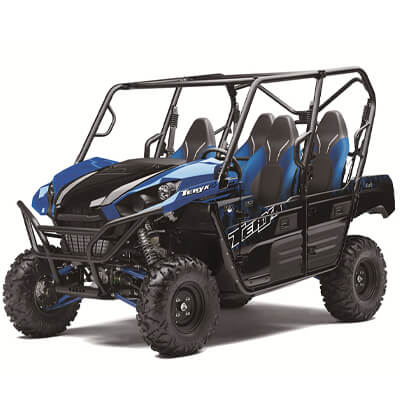

Yamaha Wolverine RMAX2 1000 vs Can-Am Commander XT-P 1000R

Based on their published specifications, the 2026 Yamaha Wolverine RMAX2 1000 XT-R is the better fit for technical trails, greater rear suspension travel, cabin comfort, and a lower starting MSRP. The 2026 Can-Am Commander XT-P 1000R is better suited to riders who prioritize FOX 2.5 shocks, Smart-Lok, beadlock wheels, and faster open-trail driving. Both tow up to 2,000 pounds and carry up to 600 pounds in the cargo bed, so the final choice comes down mainly to terrain, suspension priorities, and budget.
2026 Yamaha Wolverine RMAX2 1000 XT-R vs. Can-Am Commander XT-P 1000R Quick Comparison
Before diving deeper, here’s a quick side-by-side look at the two models. It highlights the biggest differences and gives you a useful starting point before the detailed comparison.
| Category | 2026 Yamaha Wolverine RMAX2 1000 XT-R | 2026 Can-Am Commander XT-P 1000R |
|---|---|---|
| Main Focus | Technical trail capability and balanced utility | Performance-oriented trail riding, agility, and premium sport-utility |
| Engine Performance | 999cc DOHC Parallel-Twin (108 hp) | 976cc Rotax V-Twin (100 hp) |
| Suspension | FOX 2.0 QS3 Piggyback (14.2" front / 16.9" rear travel) | FOX 2.5 PODIUM QS3 Piggyback (14.0" front / 14.0" rear travel) |
| Trail Capability | 13.8" ground clearance, On-Command 4WD (2WD/4WD/Full Lock/Turf Mode), 30" Maxxis Carnivore tires on 14" wheels, WARN VRX 45 winch, Ultramatic CVT with all-wheel downhill engine braking | 13.5" ground clearance, Smart-Lok front diff (2WD/4WD Trail/4WD Trail Activ/Turf Mode), 30" XPS Trac Force tires on 15" Beadlock wheels, 4,500 lb synthetic rope winch |
| Cargo & Utility | 600 lb dumping bed, 2,000 lb towing | 600 lb dumping bed, 2,000 lb towing |
| Comfort | Upright automotive-style seating, full doors, 3-mode Electric Power Steering (EPS), factory-installed MTX Bluetooth audio system | Ergo-Lok semi-reclined sport seating, premium half-doors, Dynamic Power Steering (DPS), tilt steering wheel, 7.6-inch digital display with keypad |
| Best For | Technical trails, steep climbs, tight woods, and riders who value greater rear suspension travel | Faster open trails, aggressive trail riding, and riders who value Smart-Lok and FOX 2.5 shocks |
Yamaha Wolverine RMAX2 1000 Overview
The Wolverine RMAX2 1000 XT-R is built around a trail-focused chassis designed for rough terrain while retaining useful cargo and towing capability.
It features a 64-inch stance, high-clearance arched A-arms, a factory-installed WARN winch, and MTX audio. Together, these features give the Yamaha a practical mix of trail capability, cabin comfort, and utility.
Can-Am Commander XT-P 1000R Overview
The Commander XT-P 1000R uses Can-Am’s sport-utility platform with performance-oriented hardware aimed at riders who want a more aggressive trail setup.
It comes with FOX 2.5 PODIUM shocks, beadlock wheels, heavy-duty skid protection, and a Smart-Lok front differential. That package makes the Commander XT-P 1000R especially appealing to riders who favor faster, more aggressive trail use.

2026 Yamaha Wolverine RMAX2 1000 XT-R vs. Can-Am Commander XT-P 1000R Head-to-Head Comparison
With the basics covered, let’s look at how the two machines compare in the areas that matter most on the trail and around the property.
Engine Performance
The Yamaha RMAX2 1000 XT-R is powered by a 999cc parallel-twin engine making 108 hp with an 8,500 RPM redline. Yamaha’s YCC-T paired with the D-Mode driving system offers 3 throttle mapping profiles: Sport, Trail, and Crawl.
The Can-Am Commander XT-P 1000R uses a 976cc Rotax V-Twin rated at 100 hp. Its Intelligent Throttle Control (iTC) system offers Sport and ECO driving modes.
The Yamaha has a modest published horsepower advantage and offers three throttle maps, while the Can-Am XT-P package is more clearly oriented toward aggressive trail riding.
Suspension and Trail Capability
Yamaha equips the Wolverine RMAX2 1000 XT-R with FOX 2.0 QS3 piggyback shocks, offering 14.2 inches of front travel and 16.9 inches at the rear. Combined with 13.8 inches of ground clearance and 30-inch tires, the extra rear travel can help the vehicle maintain tire contact over uneven terrain.
The Commander XT-P 1000R uses FOX 2.5 PODIUM QS3 piggyback shocks with 14 inches of travel front and rear, along with 13.5 inches of ground clearance. The larger FOX 2.5 shocks are a more performance-focused setup for riders who spend more time on aggressive, faster-paced trails.
Both models offer selectable 4WD, but the systems work differently. Yamaha uses its mechanical On-Command system, while Can-Am equips the Commander XT-P with Smart-Lok, an electronically controlled front differential designed to manage front-wheel traction automatically.
Handling and Comfort
Inside, the Wolverine uses an automotive-inspired cabin with supportive seating, full doors, and selectable EPS settings. The Commander takes a sportier approach with an Ergo-Lok cockpit, adjustable tilt steering, a lower seating position, and a 7.6-inch digital display.
The wheel and tire setups are similar in size but different in design. The Yamaha Wolverine RMAX2 1000 XT-R uses 30-inch Maxxis Carnivore tires on 14-inch aluminum wheels. The Commander XT-P 1000R uses 30-inch XPS Trac Force tires on 15-inch aluminum beadlock wheels, which help retain the tire bead when riders choose lower pressures for certain trail conditions.
Cargo, Towing, and Storage
Both machines retain useful work capability alongside their trail focus. Each has a tilting cargo bed rated for 600 lb and built-in tie-down points.
For towing, both the Wolverine RMAX2 1000 XT-R and Commander XT-P 1000R are rated to tow up to 2,000 lb with a 2-inch hitch receiver.
Both models also come with a factory-installed 4,500-lb winch. Yamaha includes a WARN VRX 45, while the Can-Am uses a 4,500-lb winch with synthetic cable.

Ownership and Maintenance
The Wolverine uses a dry-sump lubrication system with a separate oil tank, a layout intended to support consistent oil delivery during steep or off-camber riding. Routine service access is manageable, although some components may take more effort to reach than others.
The 2026 Can-Am Commander XT-P 1000R uses a wet-sump engine and provides convenient access to several routine service points under the cargo box, including the airbox and spark-plug area. Service intervals can vary with operating conditions, so owners should follow the 2026 Operator’s Guide for the applicable maintenance schedule.
The drivetrains also take different approaches. Yamaha’s Ultramatic CVT uses a centrifugal wet clutch and a constant-tension belt system, backed by Yamaha’s 10-year limited belt warranty. The Commander uses Can-Am’s CVT system; rather than assuming one design is inherently more durable, owners should follow the maintenance guidance for the specific machine.
Accessories and Customization
Both machines are versatile platforms that can be adapted with additional accessories based on how and where you ride.
The Yamaha Wolverine RMAX2 1000 XT-R comes from the factory with equipment such as a WARN VRX 45 winch, roof, and integrated MTX audio. Owners can add items such as cab enclosures, heating systems, auxiliary electrical equipment, cargo solutions, and lighting as needed.
The Can-Am Commander XT-P 1000R includes equipment such as a roof, XT front bumper, skid protection, beadlock wheels, and a factory winch. It can also be fitted with lighting, cab kits, snow-plow systems, and other accessories for different seasons and riding styles.
Price and Long-Term Value
The 2026 Yamaha Wolverine RMAX2 1000 XT-R starts at $22,999, while the 2026 Can-Am Commander XT-P 1000R starts at $25,199. That $2,200 difference is meaningful, especially when many of the core utility ratings are the same.
The Yamaha costs less while offering 108 hp, greater rear suspension travel, and Yamaha’s 10-year limited belt warranty. The Can-Am adds performance-focused hardware such as FOX 2.5 PODIUM shocks, beadlock wheels, and the Smart-Lok front differential.
2026 Yamaha Wolverine RMAX2 1000 XT-R vs. Can-Am Commander XT-P 1000R Which One Should You Choose?
At StarknightMT, we believe the better choice depends on the kind of riding you do most often.
Choose the Yamaha Wolverine RMAX2 1000 if you spend more time on technical trails, steep or off-camber terrain, and you value greater rear suspension travel, cabin comfort, a lower starting MSRP, and Yamaha’s 10-year limited belt warranty.
Choose the Can-Am Commander XT-P 1000R if your riding leans toward faster open trails and a more aggressive trail setup. Its FOX 2.5 PODIUM shocks, Smart-Lok front differential, beadlock wheels, and sport-oriented cockpit are the main reasons to favor the Can-Am.
FAQs
Q1: Which UTV has a larger electrical capacity for accessories?
A1: The Can-Am Commander XT-P 1000R has a larger electrical capacity for accessories thanks to its 650-watt magneto, while the one on the Yamaha Wolverine RMAX2 1000 XT-R is 600 watts.
Q2: Which model has better in-cabin dry storage for tools and gear?
A2: The Can-Am Commander XT-P 1000R offers better dedicated cabin storage of over 7 gallons split between the passenger glovebox, center console, and the trays on the driver's side.
Q3: Yamaha Wolverine RMAX2 vs. Can-Am Commander, which machine is better for heavy towing?
A3: Neither model has a towing-capacity advantage on paper. Both are rated to tow up to 2,000 lb. The better choice for towing depends more on terrain, load setup, traction, and how the vehicle will be used.
Q4: Which machine is better for snow plowing?
A4: Both models can be equipped for snow-plow use, but plowing performance depends on the plow system, tires, traction, terrain, and overall setup. The Can-Am’s higher-output magneto may provide more electrical headroom for powered accessories, but it does not by itself determine plowing performance.
Q5: Is the Yamaha RMAX2 XT-R or Can-Am Commander XT-P better for technical trails?
A5: On paper, the Yamaha has the advantage for slower technical terrain because it offers 16.9 inches of rear suspension travel, Crawl mode, and Yamaha’s On-Command 4WD system. The Can-Am may appeal more to riders who prioritize Smart-Lok and larger FOX 2.5 shocks. Actual performance still depends on terrain, setup, and driver preference.
Q6: Is the Can-Am Commander XT-P worth $2,200 more?
A6: It may be worth the additional cost if FOX 2.5 shocks, Smart-Lok, beadlock wheels, and its sport-oriented cockpit are priorities. Riders focused on value, greater rear suspension travel, and Yamaha’s 10-year belt warranty may find the RMAX2 XT-R more compelling.
Read More:
Polaris General vs Yamaha RMAX
What Is the Best UTV for the Money in 2026?
The Ultimate UTV Pre-Ride Inspection Checklist


Leave a comment