
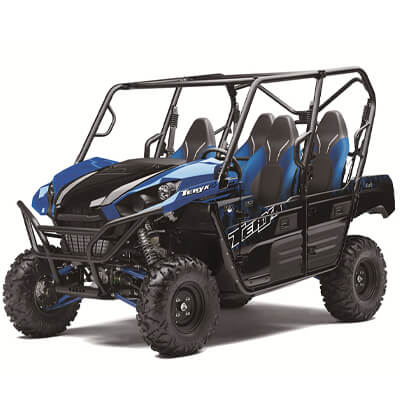

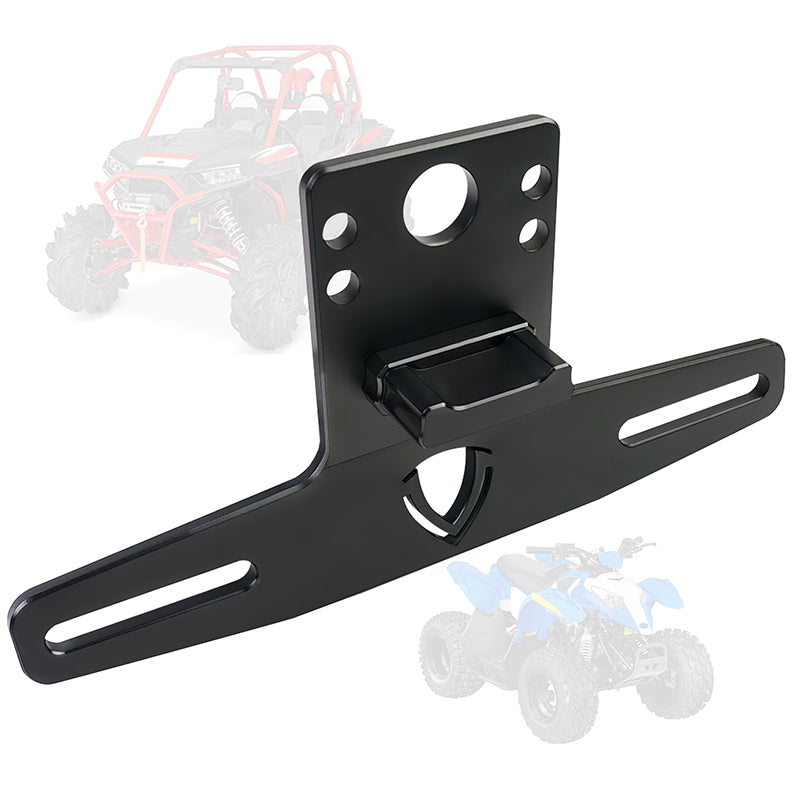
Polaris General Top Speed

Curiosity tends to spike the moment someone fires up a Polaris General and feels that ProStar twin come alive. Just how fast will it run in factory form, and how much extra velocity can you squeeze out with smart tweaks?
Today we’ll unpack those answers, compare speeds across the General line-up and explore what really governs top-end numbers. And we’ll also show where carefully chosen Polaris General Accessories & Parts fit into the equation.
Introduction
Speed isn’t everything, yet it shapes how a UTV rides, how confidently it passes a buddy’s machine, and sometimes whether you make it back to camp before dark. Polaris positions the General as a do-it-all crossover: part trail toy, part workhorse. That dual nature means factory engineers had to settle on gearing and calibration that feels playful on fast fire roads but still hauls a load of lumber without smoking belts. Understanding where those compromises sit—and how to fine-tune them—helps you decide if stock trim is enough or if a few upgrades belong on your wish list.
Factory Top Speed by Model
Polaris does not publish an official top-speed figure in brochures, so owners and reviewers have filled the gap. Multiple tests place the two-seat General 1000 and its XP sibling right around the seventy-mile-per-hour mark on level ground. A separate series of GPS runs recorded an average of sixty to sixty-two mph on a standard General 1000 Sport, a number Polaris insiders acknowledge as the “safe” benchmark before rev-limiter intervention kicks in.
The difference looks large on paper; in practice it reflects two realities. First, the lighter Sport model reaches its governor sooner than the heavier XP, yet the XP benefits from longer 30-inch tires that add a couple of miles per hour once fully spun. Second, owner forums show that even bone-stock machines vary by three to five miles per hour because of break-in time, belt condition, and regional fuel blends. Four-seat variants, which carry extra chassis length and weight, typically stop pulling in the mid-sixties once wind resistance catches up.
|
Model |
Claimed/Observed Top Speed |
Horsepower |
Notable Factory Spec |
|
General 1000 Sport |
60–62 mph |
100 hp |
27-inch tires, standard clutching |
|
General XP 1000 |
~70 mph |
100 hp |
30-inch tires, high-clearance A-arms |
|
General XP 4 1000 |
65–66 mph |
100 hp |
Four-seat chassis, same gearing |
These numbers assume a hard-packed surface, sea-level air, and a healthy belt. Climb five thousand feet, bolt on a roof rack, or fill the cargo box with camp gear, and you’ll see the speedometer fall back accordingly.
Factors That Influence Top Speed
Aerodynamics and Added Weight
A UTV doesn’t slip through air like a sports car. Roofs, light bars, spare-tire carriers,and even a windshield tilted the wrong way can rob three or four miles per hour. Weight plays a similar role: every one-hundred-pound increase translates to a roughly one-percent dip in top-end pace once the CVT reaches its tallest ratio.
Tire Diameter and Rolling Resistance
Jumping from the stock 27-inch tire on a General Sport to a 32-inch mud terrain changes effective gearing enough to slow acceleration yet adds two-to-three miles per hour once you reach wide-open throttle. The trade-off appears when a steeper hill or loose sand demands more torque than the taller rolling stock can deliver.
Clutch Calibration and Belt Health
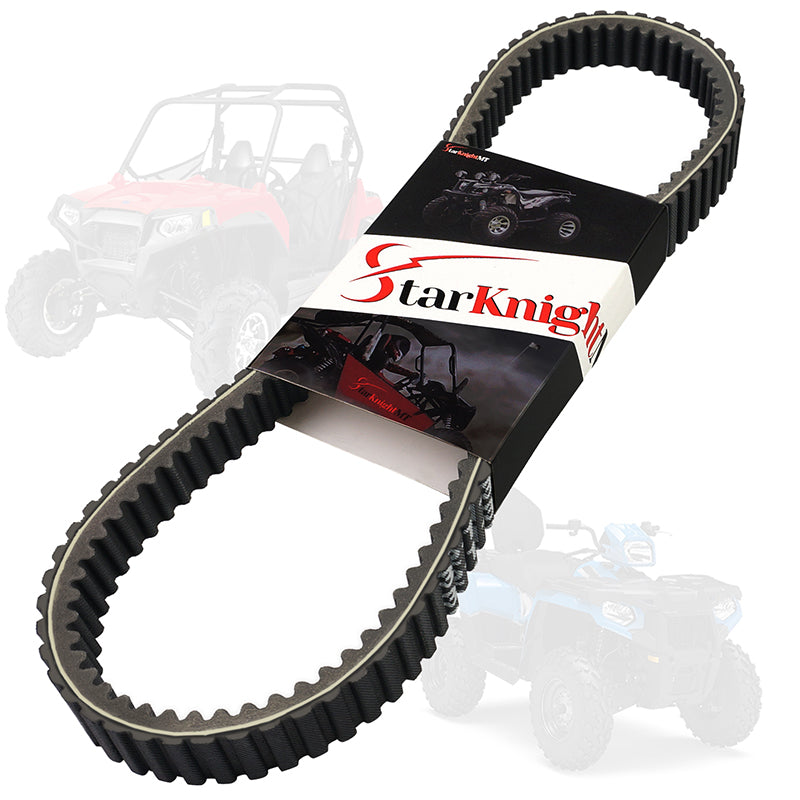
Polaris sets up its helix and spring combination to balance low-speed pull with acceptable belt heat. A belt that has glazed from hauling logs or towing boats will slip at high rpm, cutting speed and peppering the clutch cover with dust. A fresh, properly broken-in belt often restores a lost mile per hour or two.
Environmental Conditions
High-octane fuel yields modest gains on cooler days, but altitude remains the silent limiter. Each thousand-foot rise steals roughly three percent of available horsepower unless you flash the ECU to enrich fueling and adjust ignition. Humidity compounds the issue by thinning the mixture, which is why desert riders consistently log higher peak numbers than operators in muggy coastal regions.
Performance Upgrades to Increase Top Speed
Owners chasing something north of the factory governor rarely stop at a single modification. The most common starting point is an ECU tune that lifts the rev limit and refines ignition timing. Reputable flashers remap throttle tables to extend the top-gear pull by five or six miles per hour while maintaining safe air-fuel ratios.
Clutch kits land next on the list. Replacing the secondary spring with a stiffer rate delays upshift, allowing the engine to spin closer to peak horsepower before the CVT relaxes into overdrive. Pair that with lighter primary weights, and the General gains crisper midrange punch plus another mile per hour at full song.
Intake and exhaust packages round out the usual trio. A high-flow paper element or oiled foam filter feeds cooler, denser air, and a slip-on muffler trims backpressure. Alone, each nets only incremental gains, but together the breathing mods sharpen throttle response enough to push the needle a hair past the ECU and clutch gains combined.
Some riders swap to true overdrive clutch sheaves or gear up the transaxle, though that route sacrifices crawl speed and strains the belt when towing. Taller tires, as mentioned earlier, do add theoretical speed but burden the drivetrain off-road. Practical wisdom says to treat them as the finishing touch once clutching and fueling are sorted.
Speed Versus Safety
Speed feels exhilarating until conditions shift. The General’s factory tires carry an “N” speed rating—good for nearly seventy-five miles per hour—yet they lose grip quickly when tread depth falls below fifty percent. Upgrading speed means matching that increase with tires rated for the job and brakes kept in prime shape.
Frame geometry also matters. The General XP’s wider track and Walker Evans shocks inspire more stability above sixty than the narrower Sport chassis, but once you lift either machine or add taller tires, the roll center rises and cornering response fades. A sway-bar upgrade or stiffer spring package helps reclaim that stability.
Finally, personal protection completes the picture. Proper DOT-rated helmets, harnesses tightened snug, and wrist restraints in four-seat models mitigate risk if a high-speed slide goes sideways. It is tempting to rely on the half-doors and shoulder belts Polaris provides, yet harnesses secure the torso when centrifugal force peaks during an eighty-mile-per-hour sprint across a lakebed.
Tips and Final Take
A methodical approach beats the kitchen-sink strategy. Start by restoring any lost factory speed: inspect belt condition, clean the clutch sheaves, confirm tire pressure, and remove heavy seasonal accessories if you plan a high-speed run. Only then layer in an ECU flash, followed by clutch tuning that complements your local terrain. Keep a GPS logger handy; dash speedometers can read optimistic once tires change circumference.
As you gather those extra miles per hour, remember the crossover DNA that makes a General a General. Resist the urge to over-gear or strip down every ounce of utility. When you do add performance parts, choose pieces that still play nicely with farm chores: a higher-capacity clutch that pulls without slipping at crawl speed, an intake that breathes freely yet shields against dust, and a roof-mounted light that slices through night rides without wrecking airflow.
Everything you need for that balanced build lives in our curated catalog of Polaris General Accessories and Parts. We vet each clutch kit, tuner, and intake against factory tolerances, so you spend weekends riding instead of wrenching.
FAQs
Q1: How fast will a bone-stock Polaris General go?
A1: Most two-seat General 1000 and XP 1000 models tap out between sixty and seventy miles per hour on level dirt, depending on tire size and environment.
Q2: Does a roof slow the machine?
A2: Yes. A steel or rack-equipped roof can shave three to five miles per hour by adding weight and disrupting airflow over the cab.
Q3: Will a clutch kit void my warranty?
A3: Polaris considers clutching a wear-item service, so installing aftermarket springs and weights usually does not void engine coverage, though belt warranty claims may face scrutiny.
Q4: What’s the safest first upgrade for more speed?
A4: An ECU flash paired with a fresh, high-quality drive belt adds velocity and responsiveness without altering gearing or compromising low-speed control.
Q5: Can I reach eighty miles per hour reliably?
A5: With tuning, clutch work, and proper tires, some owners report low eighties on GPS. Beyond that, drivetrain stress and safety margins diminish rapidly, so weigh the gains against risks.
Ready to Chase That Extra Mile per Hour?
Dial in your fundamentals, choose performance parts that respect the General’s work-and-play heritage, and you’ll discover a top-speed sweet spot that thrills without sacrificing versatility. When you’re ready to upgrade, let StarknightMT handle compatibility so you can focus on the ride, not the wrench.


Leave a comment