


Honda Pioneer 1000 Common Problems: Symptoms, Causes, and Fixes
Introduction
The Honda Pioneer 1000 is built for hard work, but many owners say there are three major weak points: DCT shifting problems, too much heat in the cab, and a slipping sub-transmission clutch.
To quickly debug these issues, check your machine in the following order: First check the oil level and quality, as DCT shifting is very sensitive to clean engine oil. Then check the sub transmission shift cables . Adjust the clutch . Finally, check the fuel pump, air filter and battery voltage for any sudden loss of power or engine hesitation.
Overview of the Honda Pioneer 1000 Series
Before going too far into the details of what common problems to look out for in the Honda Pioneer 1000 series, it’s important to discuss a little bit of it’s history as well as where it sits in the UTV market.
Since its debut, the Pioneer 1000 lineup has blended power, comfort, and versatility. Several engine options are offered to prospective buyers ranging from the base 999cc parallel-twin to the sport-tuned Sport Shift model. Many additional features like dual-clutch transmission, selectable drive modes, and plush suspension all come standard which makes the Pioneer the go-to UTV for weekend warriors and working ranchers alike.
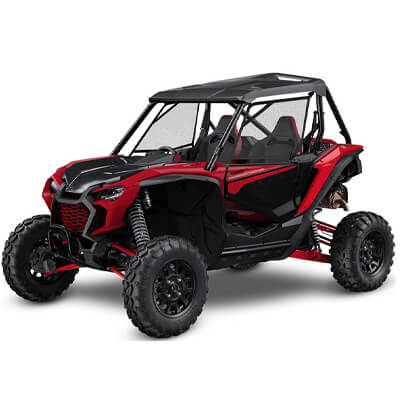
Here’s a breakdown of the three trims offered. If you’re looking to customize your Honda Pioneer, consider exploring our selection of Honda Pioneer 1000 accessories.

Most Reported Honda Pioneer 1000 Problems
After spending some time researching common problems across various forums, we below noted some of the most prevalent issues reported by Honda Pioneer owners. We’ve also included some tips on what to look out for when these gremlins begin to pop up.
| Symptom | Likely Cause | Quick Check | Fix | When to Stop Riding |
|---|---|---|---|---|
| Harsh or missed DCT gear shifting | Dirty/low engine oil, bad shift valve body, or clutch wear. | Check oil level via dipstick; ensure correct GN4 10W-40 oil was used. | Perform engine/DCT oil & filter change; recalibrate DCT clutch initialization. | Stop if the transmission flashes code "-" or stays stuck in neutral. |
| Engine hesitation or loss of power | Clogged fuel pump strainer or contaminated gasoline. | Listen for fuel pump priming noise; check spark plugs for fouling. | Flush fuel tank, replace the internal fuel pump filter strainer, or use fuel additive. | Immediately if the engine sputters aggressively under load or runs dangerously lean. |
| Extreme seat heat & cabin temperatures | Under-seat engine location combined with exhaust manifold radiation. | Feel seat underside after short rides; inspect exhaust heat shields. | Install aftermarket under-seat heat shields and add a protective Honda Pioneer Windshield to manage cab airflow. | Never. While uncomfortable, it is safe unless rubber insulation begins to melt. |
| Sub-transmission slipping or popping out | Stretched shift cable or worn sub-trans clutch pack. | Check shift lever linkage play under the dash and near the sub-trans arm. | Adjust sub-transmission linkage cables or replace worn clutch plates. | Stop riding if sub-trans pops out of High/Low range continuously, risking internal gear stripping. |
1. Dual-Clutch Transmission (DCT) Error Codes
Honda Pioneer owners frequently see codes like P1890 (clutch system pressure low) and P0868 (transmission fluid pressure low). These errors often stem from fluid degradation or sensor drift. Riding in extreme dust or water can compromise the DCT fluid and clog the screen, reducing system pressure. Look out for any symptoms that demonstrate a sudden loss of power or a limp-home mode that locks the transmission in second or third gear.
2. Engine Overheating in Low-Speed Use
The radiator’s fan assembly struggles when airflow is restricted by debris or when operating at slow speeds in hot, humid conditions. A blocked radiator can cause coolant temps to spike past 220°F, triggering the dash light. In the case of an overheating engine the temperature gauge enters the red zone, accompanied by steam or coolant smell if the reservoir vent cap is loose.
3. Electrical Malfunctions and Sensor Faults
Water intrusion and vibration can weaken connections in the wiring harness. Common error messages include ABS C67 and C94, indicating sensor circuit faults. Even the gauge cluster can flicker or reset mid-ride. Electrical malfunctions are especially difficult to track down as they typically manifest themselves intermittently. Keep an eye out for any wonky behavior such as random instrument cluster reboots, ABS light staying on after a few miles, or sudden failure to start.
4. Suspension Wear and Loose Hardware
After extended trail use, the torsion bushings, sway-bar mounts, and control-arm bolts can loosen or wear out. A worn bushing may create lateral play in the front end, leading to imprecise steering. Common symptoms include noticeable clunking over bumps, excessive body roll, or uneven tire wear on front tires.
Preventative Maintenance and Practical Fixes
Look, if our gremlin parade hasn't sent you running for the hills yet, here's the good news that'll make your day. Most of these common headaches? They're totally preventable with some basic TLC and smart fixes that won't drain your wallet. We're talking about keeping your ride dialed in, not rebuilding the whole damn thing.
Transmission and Drivetrain Care
Your DCT is basically the soul of your machine—treat it right, and it'll haul you through anything. Ignore it, and you'll be walking out of the desert with a very expensive paperweight.
Keep that fluid fresh, dude. Change your DCT oil and clean the filter screen every 50–60 engine hours, or at least once a year if you're not logging serious seat time. Honda's fluid is solid stuff, but heavy mud sessions turn it into chocolate milk faster than you'd think. I learned this the hard way when my buddy's Pioneer started jerking like a teenager learning stick shift—turns out he'd been running the same fluid for three years. Don't be that guy.
Your sensors aren't just decoration. Grab a scan tool and verify those fluid pressure and temperature sensor readings match factory specs. When they drift outside parameters, swap them before they throw your ride into limp mode. Nothing kills a good ride faster than crawling back to camp at 5 mph while your buddies are ripping through the next valley.
Software updates aren't just for your phone. Dealerships drop control-unit firmware upgrades that actually improve clutch behavior. Ask your dealer if there's an update for your VIN—these aren't just bug fixes, they're genuine improvements that can transform how your machine shifts.
Cooling System Maintenance
Your cooling system works overtime when you're pushing through technical terrain and mud bogs. Show it some love, and it'll keep you running when everyone else is overheating on the side of the trail.
Clean that radiator like your life depends on it. After every mud run, pull the front grill and blast those radiator fins with compressed air. Hit the bottom section extra hard—that's where all the crud settles. I watched a whole group get sidelined at Johnson Valley because nobody bothered cleaning their radiators after the previous weekend's mud fest. Ten minutes of maintenance would've saved them a day of wrenching.
Upgrade that fan relay before it bites you. Swap to a sealed, heavy-duty fan relay designed for 200W loads. Your stock relay wasn't built for desert abuse, and when it fails, it usually picks the worst possible moment—like halfway up a gnarly hill climb.
Service coolant religiously. Flush and refill with a 50/50 mix of Honda-approved coolant and distilled water every two years. While you're in there, check hoses for soft spots and verify clamp integrity. Pro tip: squeeze every hose you can reach—if it feels mushy, it's toast.
Electrical System Protection
Water and electricity get along about as well as your wife and your riding buddies—they'll tolerate each other, but things can go sideways fast. Protect your connections before Murphy's Law kicks in.
Seal those connections properly. After cleaning terminals with contact cleaner, slather dielectric grease on everything important—EFI, ABS, and DCT harness plugs especially. This stuff is like sunscreen for your electrical system. A riding buddy once lost his entire weekend because water got into his EFI connector during a stream crossing. Five minutes of prep work would've prevented three hours of troubleshooting.
Ground straps matter more than you think. Check your chassis-to-engine ground strap for corrosion. If the copper mesh looks like it's been dipped in green paint, replace it immediately. Bad grounds cause the weirdest electrical gremlins—lights that flicker, fans that don't run, random error codes. It's like your machine develops multiple personality disorder.
Wire your accessories like a pro. Always route aftermarket wiring through OEM grommets, use inline fuses, and install relays near the battery. This prevents stray current draw and protects your stock harness from turning into a crispy critter. I've seen too many guys fry their entire electrical system because they tapped into the wrong circuit for their light bar.
Chassis and Suspension Maintenance
Your suspension takes a beating every time you hit the trails. Regular maintenance prevents those expensive failures that always happen when you're 20 miles from the nearest road.
Grease those zerks like a fanatic. Hit all fittings with high-quality lithium grease every 20 hours of riding. This keeps bushings from drying out, especially after water crossings. Dried bushings start squeaking, then they seize up completely. Trust me, replacing ball joints in the desert isn't anyone's idea of fun.
Torque specs exist for a reason. Every three months, check and torque control-arm, sway-bar, and shock mounting bolts to 25–35 lb-ft. Replace any missing or stretched washers with OEM parts. Loose bolts don't just cause handling problems—they destroy expensive components. A loose shock mount can trash your entire suspension geometry.
Watch for damper seal leaks. Check shock bodies around the shaft for weeping oil during regular inspections. A small leak now becomes a blown seal later, usually when you're hitting the biggest jump of the day. Replace seals before they leave you with zero damping and a ride that feels like a mechanical bull. Your spine will thank you, and so will your wallet.
Conclusion
No UTV is bulletproof, but the Honda Pioneer 1000 comes impressively close when you apply a proactive maintenance strategy and smart upgrades. By addressing DCT codes, heat-related issues, electrical gremlins, and suspension wear before they escalate, you’ll extend your UTV’s lifespan and keep enjoying worry-free adventures. Ready to source the right parts and upgrades? Visit StartknightMT’s Honda Pioneer 1000 accessories collection for everything from heavy-duty relays to performance clutch kits.
FAQs
Q1: How often should I service the DCT fluid?
A1: Every 50–60 riding hours or annually. Riding in extreme conditions calls for more frequent changes.
Q2: Why does my Pioneer overheat at low speeds?
A2: Debris buildup and inadequate fan airflow can cause heat soak. Regular radiator cleaning and a heavy-duty relay solve most cases.
Q3: What causes random electrical faults?
A3: Water ingress and vibration loosen connections. Seal critical plugs with grease, secure grounds, and maintain relays.
Q4: How do I prevent suspension noises?
A4: Lubricate all zerks every 20 hours and torque bolts to spec. Replace worn bushings promptly.
Q5: What are the most common Honda Pioneer 1000 problems?
A5: The top reported issues are DCT transmission shifting hiccups (often caused by dirty oil), sub-transmission clutch slippage, and heavy heat radiating into the cabin. Outfitting your machine with high-grade Honda Pioneer Accessories and maintaining strict oil change intervals resolves the vast majority of these complaints.
Q6: Why does my Honda Pioneer 1000 lose power or stall?
A6: Sudden power loss on a Pioneer 1000 usually stems from a clogged fuel pump strainer (very sensitive to dirty trail gas), a fouled spark plug, or low oil pressure affecting the hydraulic DCT clutch engagement. Clean your fuel tank regularly and inspect the air intake when riding in dusty terrain.
Q7: When should I get my Honda Pioneer 1000 professionally inspected?
A7: Take your Pioneer to a Honda technician immediately if the dash displays a flashing dash symbol ("-") indicating a DCT electronic code, if the sub-transmission grinds severely when engaging range gears, or if you feel severe wobble in the suspension. (Tip: To keep your cab cool during heavy work, consider installing a vented Honda Pioneer 1000 Windshield or protective roof to improve airflow).
📷 Photo by arboyd81
Read More
Kawasaki Mule Pro-FXT vs Honda Pioneer 1000


Leave a comment