

Can-Am Defender vs. Kawasaki Ridge—What You Need to Know Before You Buy

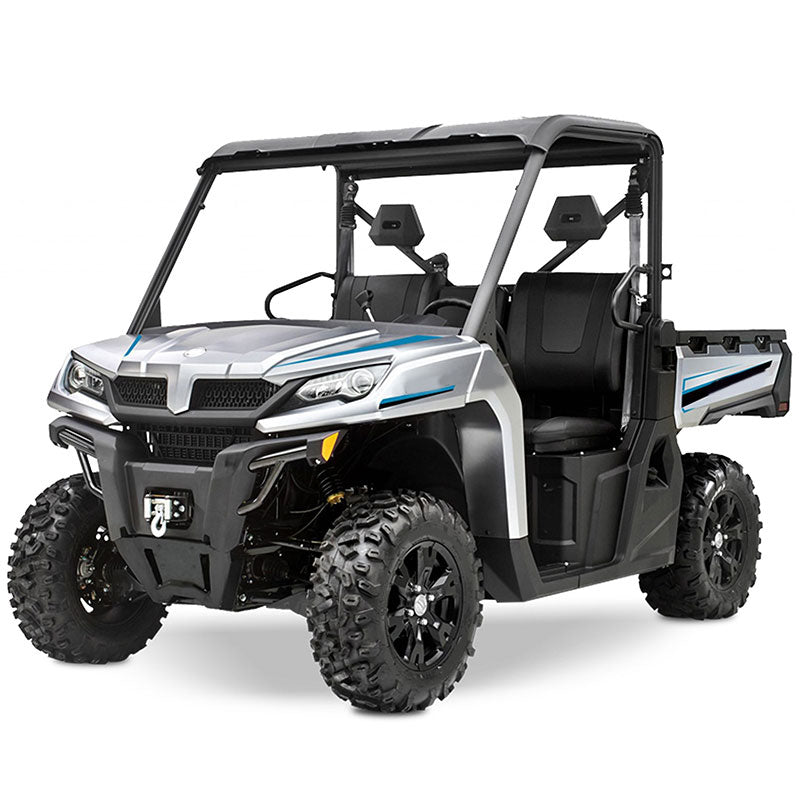
The Can-Am Defender Limited HD10 and the Kawasaki Ridge HVAC are two of the best utility-rec hybrid class UTVs on the market today. For riders who want the comfort of an enclosed cab without listing out on any power, functionality, and everyday usability ,they’re hard to beat.
But which one takes the cake?
Well, over the years, the Defender has earned a reputation as a serious workhorse. Many riders use it for off-road chores. The Ridge, on the other hand, is Kawasaki’s unique move into the premium utility space. They did an excellent job at bringing a refined driving experience with a smooth inline-four powerplant to the table.
There’s no way to compare these two UTVs at surface level, which is why we have to dissect the two and look at them where it counts. In this “versus” guide, we’re going to take a deeper look at real-world performance, cab comfort, long-term durability, and total cost, so you can better weigh both options and make a call based on what matters to you.
Performance, Comfort, Durability & Price Breakdown
Performance
First things first, how do these bad boys perform out in the dirt?
The Can-Am Defender Limited HD10 runs a 976cc V-twin engine, which puts out around 82 horsepower and 69 lb-ft of torque. It uses a CVT transmission paired with Can-Am’s Smart-Lok 4WD system, which is killer for tough terrain. The torque feels just as punchy and immediate as well, making it a prime choice for hauling, towing, and crawling.
The Kawasaki Ridge has a 999cc inline-four engine that feels smoother across the rev range. Kawasaki’s latest spec publication shows it has a max horsepower of about 92, and it’s clear that the Ridge has no trouble keeping up. The 3-mode power selector (Work, Normal, Sport) gives you more control depending on your task. We’re big fans of the midrange response and highway-speed stability. Plus, with the Ridge’s longer wheelbase, you get better composure at speed, while the tighter turning radius helps it snake through narrow trails and property corners more easily than you’d expect for a machine its size.
Comfort
Both machines come standard with enclosed cabs, full doors, and HVAC systems, so you can take advantage of a weatherproof, all-season experience no matter which one you get. Seating is plush and upright in both, though the Ridge gets a gold star for its quiet cabin, which is a result of its inline-four and impressive noise insulation.
In many ways, it makes the Ridge’s driving experience feel more refined. You get excellent visibility and a well-organized dash.
The Defender leans more toward the utilitarian side with a truck-like interior and more built-in storage compartments. The HVAC system is strong, and Can-Am’s cab sealing has improved over the years, though it’s still a bit louder than the Ridge at high speeds.
Suspension-wise, the Ridge has 12.7 inches of travel versus the Defender’s 12 inches. Even a slight 7” edge can make a huge difference on rougher trails.
Durability
Both UTVs are made to work hard. The Defender has been field-tested for years on farms, job sites, and trail networks, so it has already earned a strong track record.
Everything from the driveline to body panels feel like they can take repeated abuse without caving.
While the Ridge is newer to the scene, it’s clear that Kawasaki focused on longevity and easy maintenance. You get tool-free air filter access, a clean engine bay layout, and less dust intrusion in the cab. The Ridge also comes with a three-year powertrain warranty, which gives it a leg up on the Defender’s standard coverage.
Time will ultimately tell how the Ridge ages, but early signs point to a well-thought-out, long-lasting machine.
Price
The Can-Am Defender Limited HD10 comes has an MSRP of around $28,299, while the Kawasaki Ridge HVAC starts at $24,999.
A few thousand dollars is meaningful, especially considering both have enclosed cabs, HVAC, strong drivetrains, and respectable utility numbers.
I’d guess that the added cost on the Can-Am has to do with the brand recognition, the dealer network, and the durability legacy.
Of course, it’s also important to keep in mind that actual out-the-door pricing can vary significantly based on freight, dealer setup fees, and local inventory.
Comparison Chart - Can-Am Defender vs. Kawasaki Ridge
|
Feature |
Can-Am Defender HD10 |
Kawasaki Ridge HVAC |
|
Engine |
976cc V-twin (82 HP Est.) |
999cc inline-4 (92 HP est.) |
|
Transmission |
CVT |
Automatic w/ 3 Power Modes |
|
Suspension Travel |
12” |
12.7” |
|
Top Speed (est.) |
~62 MPH |
~70 MPH |
|
Cab HVAC |
Yes |
Yes |
|
Payload Capacity |
~1,000 lbs |
~1,000 lbs |
|
Towing Capacity |
2,500 lbs |
2,500 lbs |
|
MSRP |
$28,299 |
$24,999 |
|
Warranty |
6-month / 12-month BRP |
3-year powertrain |
How to Choose the Right One

Both the Can-Am Defender and Kawasaki Ridge HVAC are top-notch utility and trail vehicles. But depending on your priorities, one may suit you better.
Go with the Can-Am Defender if:
● You want a proven platform with years of refinement and a deep catalog of Can-Am Defender accessories
● You need a higher towing capacity (up to 2,500 lbs vs. Ridge’s 2,000 lbs)
● You’re already invested in BRP accessories or tools, making integration easier
Choose the Kawasaki Ridge if:
● You prefer a quieter, smoother ride, especially for long days in the cab
● You ride a mix of terrain and want selectable drive modes for more control
● You value a strong factory warranty (Kawasaki has a three-year powertrain warranty out of the box)
● You want a fully enclosed cab with HVAC without pushing past $30K
Also think about your local dealer support, availability of parts and service, and whether your day-to-day is more work-heavy, recreation-focused, or a bit of both.
Final Take
It’s hard to pick a winner between the Can-Am Defender and the Kawasaki Ridge HVAC, as they’re both are both top-tier utility UTVs with legit all-season, all-terrain capability.
While the Defender has years of field-proven durability and aftermarket support, the Ridge provides a refined ride, thoughtful design touches, and plenty of value, all with aftermarket Kawasaki accessories and parts to match.
Sure, specs are important, but how a vehicle is used in the real world matters even more. If you can, get behind the wheel of both, that’s the best way to do it.
At the end of the day, the right choice is the one that matches your style and needs.
FAQs
How much is a Kawasaki Ridge HVAC?
The 2024 Kawasaki Ridge HVAC model starts at $24,999 MSRP, which includes the full cab with heat and air conditioning. However, the starting price doesn’t factor in dealer setup, destination fees, or local taxes, so your out-the-door cost will likely be higher. Even so, it’s less than the Can-Am Defender Limited by several thousand dollars.
Which has better suspension, the Ridge or Defender?
The Ridge takes a slight edge here with 12.7 inches of suspension travel versus the Defender’s 12 inches. It’s not a massive difference on paper, but in practice, the Ridge feels smoother over washboards, roots, and uneven trails.
Which machine is quieter?
The Ridge is quieter across the board. Kawasaki’s inline-4 engine has less growl than the V-twin in the Defender, and the Ridge cab is better sealed and insulated. Noise levels inside the Ridge are impressively low.
Is the Defender better for towing?
Yes. The Defender HD10 is rated for 2,500 pounds, while the Ridge comes in at 2,000. That extra 500 pounds can be a lifesaver if you need to haul full trailers, feed, or equipment regularly.
Which one should I buy for farm use?
If your top priority is hard utility work, the Defender has a more established record. It’s widely used on farms, ranches, and construction sites, and there’s a large accessory ecosystem to match. That said, if you're splitting time between chores and trail riding, or want a smoother, quieter machine, the Ridge makes a strong case.


Leave a comment