

Best Side-by-Side UTVs for Hunting

Overview & Introduction
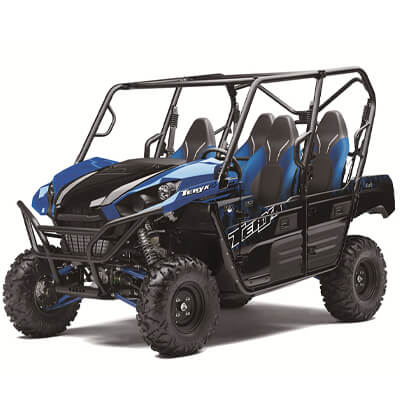
Any hunter worth their salt recognizes the importance of having a good hunting rig. Your hunting rig is going to do much more than shuttle you from a truck to a tree strand - it’s going to be your lifeline when out in the wild on your own. Beyond that, a proper hunting rig should be built to tackle the most challenging of terrains loaded down with all the gear required for a successful hunt and bring your harvest home without issue. The right side-by-side for any hunter that rides often should be reliable,comfortable and capable. We’ll break down the features that matter most to riders who often find themselves wearing camouflage trousers and nature-scrented aromas.
Key Features to Consider for Hunting UTVs
The best hunting UTVs excel at a handful of jobs. Focus on how you will actually use the machine rather than chasing maximum numbers on a spec sheet.
1) Power delivery and drivability
A friendly throttle and predictable clutching make it easier to thread through tight pines or ease up to a stand without spinning tires. Selectable drive modes and low range are valuable when trails get slick.
2) Suspension and ground clearance
Trails change with weather and logging traffic. Aim for compliant suspension that soaks up roots and rocks without beating you up. Extra clearance helps with ruts and water bars. If you often haul heavy gear, look for self-leveling or easily adjustable shocks.
3) Cargo bed, seat layout, and storage
A flat, durable bed with solid tie-downs is essential. Lockable in-cab cubbies and under-seat storage protect optics and small tools. A convertible bench or fold-flat rear seats let you switch from crew duty to cargo duty in minutes.
4) Noise, heat management, and comfort
Quieter cabins reduce fatigue and spooking. Heat shielding around the console and footwells matters on long drives. Look for supportive seats, real doors or door inserts, and effective ventilation. If you hunt in the cold, plan for a windshield and soft cab.
5) Reliability and serviceability
A machine that starts every time and is easy to service is worth more than five extra horsepower. Filter access, belt access, and drain points should be straightforward. Check the dealer network near your hunting land.
6) Electrical capacity and accessory readiness
Winches, light bars, GPS, and dog-tracking gear add up. A healthy stator output, tidy factory wiring paths, and multiple switch blanks make clean installs easier. Weather-sealed connectors save you headaches when the forecast turns ugly.
Top 5 Side-by-Side UTVs for Hunting
These models show up on leases, ranches, and logging roads for good reasons. Each brings a slightly different personality. Pick the one that fits your terrain, loadout, and crew size.
1) Polaris Ranger XP 1000
Why hunters like it: Comfortable cabin, confident power, and a bed that swallows coolers, stands, and quartered game. Power steering is light at parking speeds and steady on rough two-track.
Best use case: Mixed terrain with frequent hauling.
Good to add: Skid plates, front brush guard, winch, bed rack, and a quiet exhaust insert if you ride close to bedding areas.
2) Can-Am Defender HD10
Why hunters like it: Tractor-like torque and a heavy, planted feel with a trailer in tow. The cabin is quiet for long approaches.
Best use case: Heavier loads, slow technical trails, and work during the off-season.
Good to add: Bumper-mounted winch, half windshield, roof, and sealed storage for optics.
3) Honda Pioneer 1000-5
Why hunters like it: Smooth dual-clutch shifting and the ability to carry a crew or fold the rear seats for cargo. The driveline feels precise at low speeds, which is handy when you are picking lines around stumps and rocks.
Best use case: Versatile hunting with friends or family where you need extra seats some days and a larger cargo deck on others.
Good to add: Skid protection, radiator guard, bed mat, and rear storage boxes.
4) Yamaha Wolverine RMAX2 1000
Why hunters like it: Strong engine with excellent throttle control and a cabin that stays comfortable on long days. Suspension tuning strikes a nice balance between compliance and control.
Best use case: Hilly leases and mixed trail systems where comfort and chassis control matter.
Good to add: Quiet cabin kit, rock sliders, and compact roof-mounted light.
5) Kawasaki Mule Pro-FXT
Why hunters like it: Rock-solid durability and a roomy bench. Less flashy than sporty models, but it just keeps working. Known for predictable handling with a loaded bed.
Best use case: Work-first hunting, guiding, or properties with lots of chores between seasons.
Good to add: Full front bumper, bed extender, and under-seat dry storage.
Quick comparison at a glance
|
Model |
Personality |
Seating flexibility |
Ride comfort |
Best for |
|
Ranger XP 1000 |
Balanced worker-hunter |
Bench or bucket options |
High |
Mixed terrain and hauling |
|
Defender HD10 |
Torquey and planted |
Bench |
High |
Heavy loads and towing |
|
Pioneer 1000-5 |
Precise and configurable |
Convertible 5 to 3 seats |
Medium-High |
Crew days and versatile cargo |
|
Wolverine RMAX2 |
Refined trail control |
Sport seats |
High |
Hilly leases and long approaches |
|
Mule Pro-FXT |
Durable and steady |
Convertible bench layout |
Medium |
Work-heavy properties |
Side-by-Side UTV Accessories for Hunting
The right accessories make a good machine great. Focus on upgrades that increase capability, protect critical parts, and keep your cabin organized.
Protection and clearance
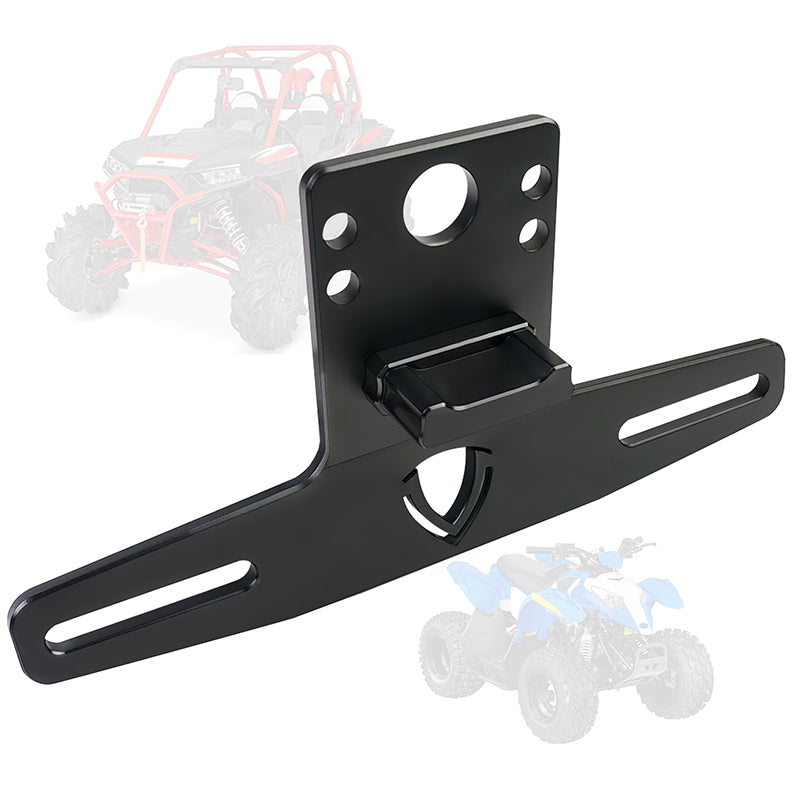
Skid plates, A-arm guards, and rock sliders protect the belly and suspension when the trail gets rutted or rocky. If your lease has water bars or old logging cuts, this protection saves hubs and tie rods.
Recovery and self-sufficiency
A 4,000 to 5,000 pound winch with a tree saver, snatch block, and soft shackles turns a stuck moment into a short pause. Add a compact compressor and a tire plug kit.
Cargo and organization
Lockable storage keeps optics, tags, and small tools safe. Bed racks free up floor space for coolers and blinds. Ratchet-strap anchors and bed mats stop cargo from sliding around on bumpy approaches.
Lighting and visibility
A focused forward light for early approaches and a soft rear work light for field dressing after dark are practical upgrades. Consider amber dust lights for group rides on dry days.
Cab comfort
Half windshields reduce wind fatigue while keeping airflow. Roofs and soft rear panels cut the chill in late season. If you run a heater, confirm hose routing and bleed the system correctly.
When you are ready to outfit your rig, shop StarknightMT’s UTV accessories. Our catalog is organized by fit and use case, which makes it simple to build a kit for your terrain and season.
Tips for Choosing the Right Hunting UTV
Match the machine to your terrain. Thick mud and frequent creek crossings favor a planted chassis and strong low range. Long sandy roads reward smooth power and good cooling.
Think through the daily loadout. Bow cases, long gun scabbards, coolers, decoys, stands, and a small trailer all compete for space. Layout and tie-down locations matter more than you think.
Plan for crew size now and later. If you guide or bring family, a convertible rear seat can be the difference between two trips and one.
Decide how quiet you need to be. Some properties demand low sound levels. Look for machines with quieter cabins and consider intake or exhaust kits designed to reduce drone.
Check dealer support near your lease. A helpful local dealer is worth its weight in tags when you need parts quickly during the season.
Budget for essentials, not just the machine. A winch, skid plates, storage, and basic lighting should be part of the purchase plan. They are the difference between a rig that looks ready and one that is ready.
Maintenance Tips for Hunting UTVs
A simple routine keeps your side-by-side dependable through wet mornings and dusty weekends.
Before every trip
● Check oil, coolant, and brake fluid.
● Inspect air filter and pre-filter. Clean or replace if dirty.
● Confirm tire pressures and look for sidewall cuts or embedded thorns.
● Test winch operation and inspect cables or synthetic lines for frays.
● Verify that every light works, especially rear work lights.
After muddy or dusty rides
● Rinse the radiator and blow fins clear with low pressure air.
● Wash mud from skid plates and the underside to prevent corrosion.
● Grease suspension points according to your owner’s manual.
● Open storage boxes to dry them completely.
● Wipe down connectors and reapply dielectric grease where needed.
Seasonal habits
● Change engine oil and front or rear gear oils on schedule.
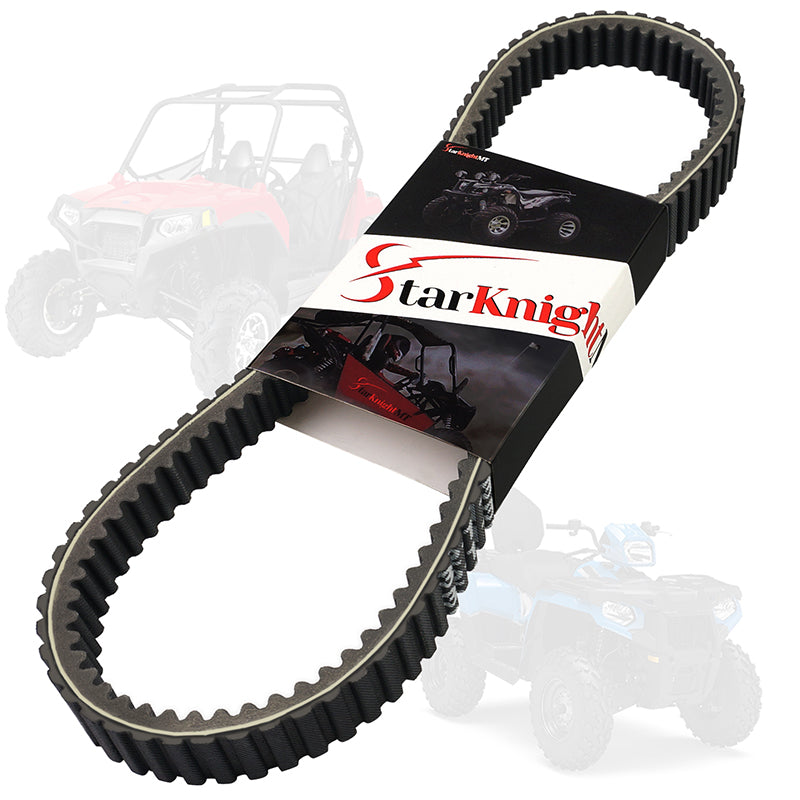
● Inspect belt condition and clutch sheaves. Replace if heat glazed or cracked.
● Torque check control arm, shock, and steering hardware.
● Review battery health and clean terminals.
Update your spares kit with fresh fuses, relays, and a new plug kit.
Conclusion
A great hunting UTV blends quiet confidence with practical capability. It climbs rutted hills without drama, idles steadily on cold mornings, and carries your gear without rattling it to pieces. Among the top choices, you will find a personality that fits your land and your style. Pair that with smart accessories, tidy installs, and consistent maintenance, and your rig will serve for many seasons.
FAQs
Q1: What size winch should I run for hunting use?
A1: A 4,000 to 5,000 pound winch covers most two-seat and crew UTVs. Add a snatch block to double the pulling power when needed.
Q2: How can I keep my UTV quiet on approach to a stand?
A2: Maintain your belt and clutch for smooth engagement, keep the air filter clean, use a half windshield to reduce buffeting, and consider a quiet-tone exhaust insert where available.
Q3: What tires work best for mixed hunting terrain?
A3: A quality all-terrain with puncture-resistant sidewalls performs well across sand, dirt, and shallow mud. For deeper mud, step up to a more aggressive tread and carry a plug kit with an on-board compressor.
Q4: Is a crew model worth it for hunting?
A4: If you regularly carry partners, dogs, or kids, yes. If you are mostly solo and value a shorter wheelbase on tight trails, a two-seat model with a larger bed may suit you better.
Q5: Which accessories should I buy first?
A5: Protection and recovery. Skid plates, A-arm guards, a winch, and proper tie-downs. After that, add lockable storage and lighting to match your property and season.


Leave a comment