
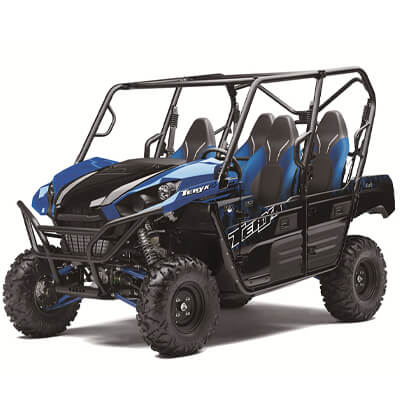

2026 Polaris Ranger 1000 Review

Few side-by-sides have earned my trust over the years the way the Polaris Ranger 1000 has. It’s a staple in the hunting world for a reason. You get plenty of power, predictable handling, and a build that can handle actual work.
Ask any hunter or outfitter, and they’ll tell you, it’s one of the few side-by-sides that can pull double duty at camp, hauling, scouting, and carrying you out at the end of a long day.
For 2026, Polaris mostly stuck to its foundation, though it added a few refinements, such as the clutching, which was tuned for smoother low-speed control, and the digital gauge cluster, which was updated for better visibility. In this 2026 Polaris Ranger 1000 review, we’ll go through all of that and more!
Engine and Performance
The Ranger 1000 runs on a 999cc SOHC ProStar engine, pushing 61 horsepower. On paper, that number might not be that impressive, but out in the field, horsepower isn’t as important as torque, and man, can this machine deliver where it counts.
When you’re dragging out a quartered bull, that low-end grunt makes all the difference.
Unloaded, the throttle response is ultra smooth. Loaded down, however, it doesn't seem to lag or choke. This makes it a reliable vehicle for hauling blinds, dressing kits, or game out of tight timber.
Polaris finally refined the clutching this year, and you feel it most when you're easing into motion or holding a slow crawl over rough ground. The engine braking is smooth and consistent, which is especially helpful when descending with weight on board.
Design and Build Quality
Polaris didn’t need to reinvent the frame for 2026, so they didn’t.
The Ranger 1000 still runs on a one-piece chassis with a solid track record for abuse. The updated suspension provides a bit of extra stability when fully loaded, which is especially helpful on side hills or uneven ruts.
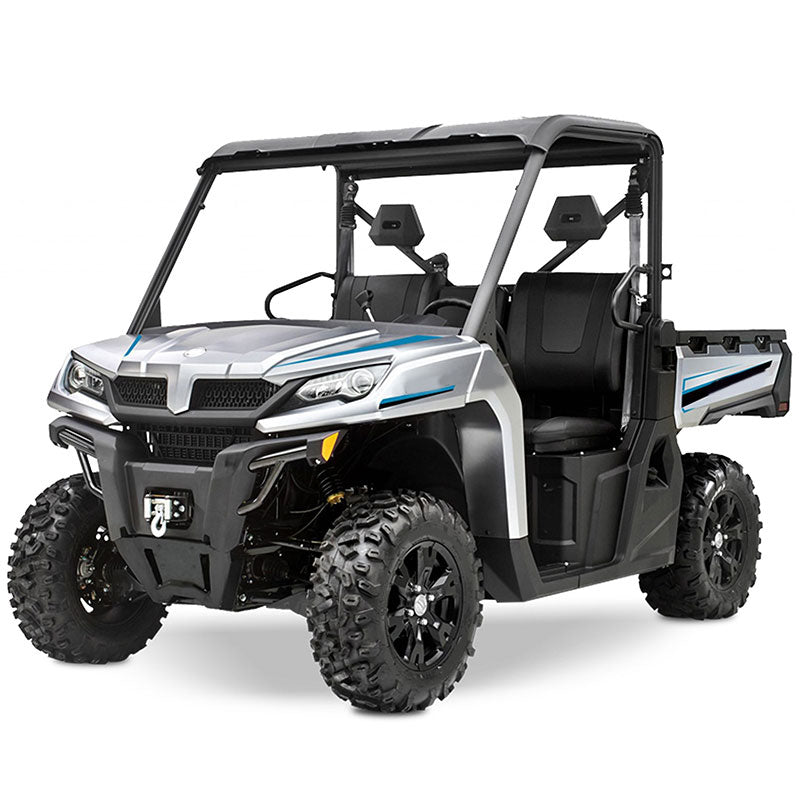
The dump bed still holds up to 1,000 pounds, and the 2,500-pound towing capacity is more than most hunters will ever max out. Welds are clean, the panels don’t shake loose, and the underbody skid protection holds its own against stumps and sharp rock.
The doors and latches also feel tight instead of toy-grade like some other rigs in this price range.
Fit and finish lean toward work-first, hunt-second.
There’s no chrome. It’s very utilitarian, which is just how we like it. The layout leaves room for a range of Polaris Ranger accessories, and storage options are easy to bolt on.
Technology and Features
We’re happy that Polaris kept Ranger 1000 smart and usable without overcomplicating the dash.
The new Dual Sweep Analog + LCD digital cluster is easy to read, even in the early morning.
Optional Ride Command is available, which includes built-in GPS, trail mapping, and group ride tracking. It’s not mandatory, but for scouting unfamiliar units or tracing your route back to camp in bad weather, it’s nice to have.
There’s a 12V outlet and a set of USB ports, which are useful for keeping rangefinders, handheld GPS units, or phones charged. The Lock & Ride system is still a fan favorite, making it easy to add storage or racks.
Finally, we have the lighting system, which offers solid low-light visibility. It’s bright enough for loading game before sunrise or packing out long after sunset.
Ride Comfort and Handling
For long hauls in and out of camp, the Ranger 1000 does a good job of keeping your back in prime condition. It rides on independent rear suspension with 10 inches of travel front and back.
You won’t bounce around on ruts, rocky washes, or loose fire roads. The bench seat is wide and well-cushioned, so you can ride for hours at a time without feeling fatigued. You can run solo or with a partner, glass from the seat, and still feel comfortable stepping out for a hike after 20+ miles in the field.
As always, the electronic power steering is dialed in. It’s light enough to turn easily with gloves on, but doesn’t feel twitchy. It holds its line even when you're off-camber or side-hilling with gear on board.
The cab noise is surprisingly minimal, too, which makes it easy to talk while spotting or glassing on the move.
Utility and Practicality
Overall, the Ranger 1000 is a workhorse side-by-side and one of the most practical, utilitarian vehicles for hunters around. With a towing capacity of 2,500 pounds, it can handle small trailers, gear haulers, or pull a full quartered elk in one trip. The 1,000-pound bed capacity can hold a week’s worth of supplies, two coolers, and meat without buckling or dragging.
You’ll find tie-down points in the cargo bed that are placed right where you want them, and with the weatherproof bed, it’s easy to clean up after muddy days or hose off blood and other debris.
Pros and Cons
Pros:
● Solid low-end torque for towing and technical terrain
● Updated clutching for better control at low speed
● Strong accessory ecosystem (winches, hard cabs, snowplows)
● Smooth, well-cushioned ride with EPS steering
● Secure storage and gun mount options keep gear organized
● Easy maintenance and cleanup
Cons:
● Not the fastest top-end
● Ride Command is still optional instead of standard
● Bed dump lever can be stiff with full loads
● Basic cab design. It’s pretty bare-bones unless upgraded
Best Use Cases
The Ranger 1000 is a top-tier choice for hunters, outfitters, and landowners who rack up real hours in real terrain.
It’s one of the reasons you’ll see so many of them in remote hunting camps. In these places, hauling blinds, dragging salt blocks, and quietly retrieving game are daily jobs, and having the right tool for the job is important.
It’s also a dependable asset for ranchers and forestry workers who need a utility vehicle that can tow, plow, and keep tools dry. The only case I wouldn’t recommend it is if you’re looking for a good racing side-by-side or something purely for getting out on the trails. There are much faster side-by-sides for that.
Final Verdict
The 2026 Polaris Ranger 1000 sticks to the fundamentals, and we couldn’t be happier about it. It doesn’t need all the bells and whistles, many of which don’t actually matter in the field.
If you’re looking for a side-by-side that starts cold, climbs steep, and hauls more than it probably should, this one gets it done.
Of course, it’s not going to outrun a sport UTV, but then again, it’s not built to. Outfit it with a few of your favorite essentials, like gun racks, storage kits, and a winch, and it becomes the kind of backcountry vehicle you can’t stop dreaming about at night.
While the 2026 Polaris Ranger 1000 won’t make you a better hunter, you can get out in the field in peace knowing it won’t be the weak link either.
FAQs
Q1: Is the 2026 Ranger 1000 good for hunting?
A1: Absolutely. Its low-end torque, smooth handling, and customizable accessories make it ideal for rugged backcountry hunting.
Q2: What’s the towing and cargo capacity of the 2026 Polaris Ranger 1000?
Q2: It tows up to 2,500 lbs and carries 1,000 lbs in the cargo box, offering plenty of hauling capacity for trailers, game, or firewood.
Q3: Can the 2026 Polaris Ranger handle deep snow or late-season conditions?
A3: Yes, especially with upgraded tires and a cab kit. We’d also recommend adding a winch for extra insurance on icy inclines or snow-packed trails.
Q4: How does the 2026 Polaris Ranger 1000 compare to the XP model?
A4: The XP has more horsepower and a few upgraded features, but the standard 1000 delivers what most hunters need at a better value.
Q5: Is the 2026 Polaris Ranger quiet enough for hunting?
A5: While it’s not silent, the engine is relatively quiet under light throttle. It’s definitely stealthy enough for pre-dawn access if you keep your foot easy.


Leave a comment