
What Are the Common Problems with Kawasaki Teryx

Overview & Introduction
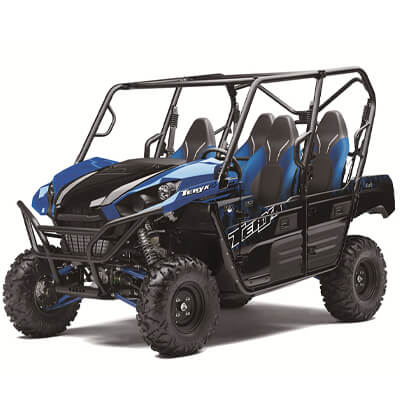
Few side-by-side manufacturers have run the gauntlet of trial and error quite like Kawasaki has with the Teryx. While other manufacturers have planted their flag in the race to be the fastest, Kawasaki chose a different path: versatility. The result is a side-by-side that works just as well on the farm as it does on the trail. The Kawasaki Teryx has earned its reputation as a reliable, work-ready, trail-friendly UTV that proves balance can be just as powerful as speed.
If you already own a Teryx, most of the issues we cover here will probably sound familiar. For those considering buying one, expect a few surprises as we dig into the model’s weak points. And if you’re looking for accessories that improve durability and everyday usability, you can explore the Kawasaki Teryx 4 accessories collection on our site.
Engine and Performance Issues
Few riders would contest the claim that Kawasaki's v-twin found in the Teryx is known for good torque and long-term reliability. Despite it being quite robust, it is not without it’s issues. Many of these more common issues that arise are linked to heat, fueling or wear over time rather than major design flaws. Let’s look a bit closer at the details.
Overheating in Slow or Technical Terrain
Heat buildup is one of the top complaints. The radiator can clog with mud, the cooling fan may cycle constantly or the thermostat may fail after years of use.
Common symptoms
● Temperature light during slow climbs
● Fan running at nearly all times
● Faint coolant smell near the front grille
Likely causes
● Mud or debris packed into the radiator fins
● Weak coolant mixture or low coolant level
● Aging thermostat or fan relay
How to prevent
Riders who frequent tight forest trails or muddy riverbeds should wash the radiator thoroughly after each ride. A quick spray from the back side to the front pushes debris out. Monitoring coolant levels once a month prevents surprise overheating. It's a consensus among StarknightMT riders.
Fueling and Throttle Hesitation
Some Teryx owners report minor hesitation or stumbling when accelerating from low RPM. This is usually a fuel delivery or throttle body issue rather than an internal engine problem.
Typical reasons
● Dirty or partially clogged injectors
● Aging fuel pump struggling under load
● Throttle body carbon buildup
Routine injector cleaner or a periodical fuel filter replacement usually solves most cases.
Belt Dust Creating Intake Restrictions
Belt wear can produce dust that moves into the intake area. Over time, this restricts airflow and leads to power loss.
Keeping the CVT cover sealed and checking the intake tract every few rides goes a long way.
Valve Train Noise With High Hours
Louder tapping or a faint ticking noise is often simply valve lash needing adjustment. This is normal on high-mileage units and is part of standard maintenance.
Transmission and Drivetrain Issues
The Teryx uses a CVT system, durable gears and selectable 2WD and 4WD. Most drivetrain concerns relate to belt wear, bearings or driveline slack.
CVT Belt Wear and Burnout
Heavy loads, steep climbs or towing on hot days can cause premature belt wear. Riders usually notice slow engagement or slipping during acceleration.
Signs of a worn belt
● Higher RPM needed to move
● Sudden jerking when engaging drive
● Visible cracking or glazing on the belt
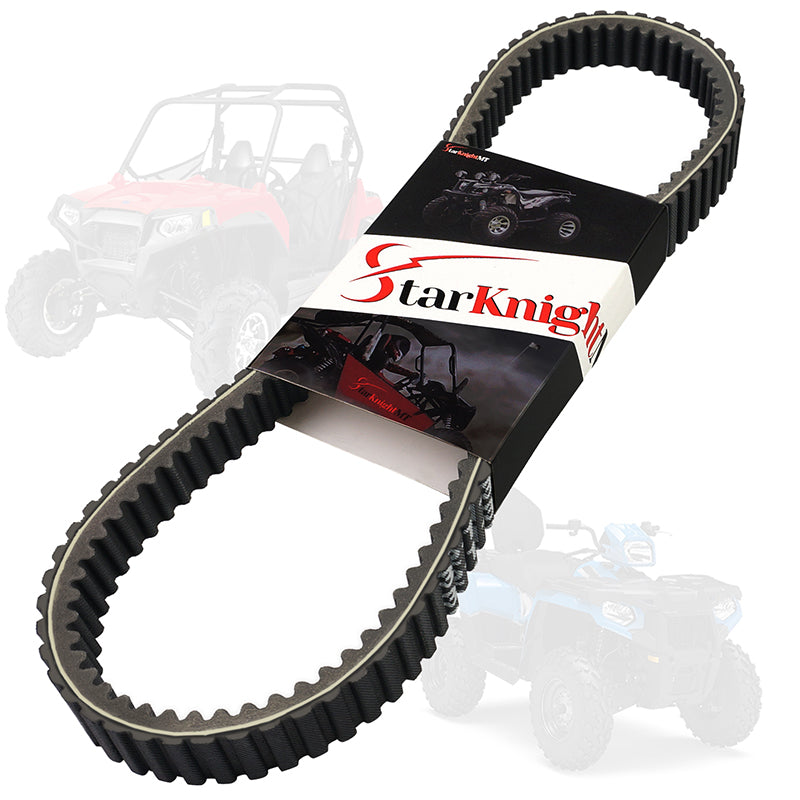
Carrying a spare belt is one of the most recommended practices for Teryx owners.
Driveline Clunk or Excessive Slack
A light clunk when shifting from forward to reverse or while coasting downhill is common on older machines.
Typical root causes
● Worn U-joints
● Loose driveline couplers
● Worn motor mounts causing movement
These are not catastrophic but should be fixed before long rides to avoid secondary failures.
Differential Noise and Difficult 4WD Engagement
The front differential occasionally develops noise when fluid is low or old. Hard 4WD engagement is usually due to lack of use. The system engages more smoothly when exercised regularly.
Wheel Bearing Wear
Teryx wheel bearings are durable, yet constant mud riding shortens their lifespan. Bearings that fail early create vibration or a humming noise at speed.
Suspension and Steering Concerns
The suspension setup on the Teryx is built for strength, not softness. Many owners upgrade springs or bushings to improve comfort and steering precision.
Front Suspension Bushing Wear
The A-arm and sway bar bushings can loosen over time, especially on rocky trails. Loose bushings create clunking sounds or vague steering feel.
What riders notice
● Uneven tire wear
● Steering wandering on paved roads
● Noises over small bumps
Polyurethane replacement bushings help extend service intervals.
Shock Fade or Soft Rear End
On older units, shocks may lose resistance. This makes the ride bouncy and reduces control during fast trail riding. Many owners opt for aftermarket shocks for improved stability.
Steering Play or Stiffness
Steering issues often come from worn tie rods, misaligned front wheels or dirt contamination in the steering rack. Regular lubrication prevents most stiffness problems.
Electrical and Lighting Problems

Most electrical issues with the Teryx stem from vibration, mud exposure or aging wiring rather than severe system flaws.
Battery Drain or Weak Starts
Batteries on UTVs live a tough life. Cold storage and accessories add load, which leads to weak starting after a few weeks.
Preventive steps
● Use a battery tender during off-season
● Check accessory wiring for constant draws
Faulty Switches or Intermittent Headlights
Switches for headlights and fans can become sticky due to dust or water exposure. Headlight bulbs may flicker when the connectors loosen.
Cleaning connectors and applying dielectric grease helps resolve most intermittent lighting issues.
Sensor Interference from Mud or Water
Water crossings or deep mud can trigger temporary sensor readings, especially around the throttle position sensor or gear position sensor. Once dry, most systems return to normal.
Cabin and Comfort Complaints
The Teryx is rugged, but riders often want better noise control, heat deflection and overall cabin comfort.
Excessive Heat Near Feet or Seats
The engine layout places heat near the cabin. During summer or low-speed riding, heat can build up in the footwells.
Adding insulation panels or installing upgraded footwell covers helps maintain comfort over long rides.
The seats are durable but firm. Riders who cover long distances often upgrade to thicker foam or aftermarket seat covers for support and grip.
Plastic panels may rattle on older units. Most rattles come from door latches, roof panels or cargo bed hinges. Rubber isolators or simple realignment typically solve it.
Preventive Maintenance Tips
Preventing most Teryx problems comes down to consistent inspection and early action.
Regular Checks That Make the Biggest Difference
● Clean the radiator after each muddy ride
● Replace CVT belt at the first sign of slipping
● Inspect wheel bearings every 30 to 50 hours
● Exercise 4WD monthly for smooth engagement
● Grease suspension points at recommended intervals
Pay Attention to Sounds and Small Changes
New noises, extra heat, or slower engagement in drive are early warnings. Addressing them early is far cheaper than waiting for a full failure.
Conclusion
The Kawasaki Teryx maintains a loyal following because it offers long-term durability, solid engineering and a useful mix of work and recreational capability. The most common problems are predictable and usually minor. Heat buildup, CVT belt wear, bushing deterioration and intermittent electrical behavior are the most frequent concerns. Fortunately, all are manageable with routine inspection, proper cleaning and timely replacement of wear items.
If you maintain the cooling system, protect the drivetrain and stay ahead of suspension wear, the Teryx can deliver thousands of trouble-free hours. For riders looking to extend the comfort, capability and longevity of their machine, StarKnightMT’s collection of Kawasaki Teryx accessories provides practical solutions that enhance reliability and real-world usability.
FAQs
Q1: What mileage do Kawasaki Teryx problems typically show up?
A1: Most issues appear between 1,000 and 3,000 miles depending on riding style, terrain and maintenance habits. Hard use or constant mud riding accelerates wear.
Q2:How long should a CVT belt last on a Teryx?
A2:Under normal conditions, belts last 800 to 1,500 miles. Heavy towing, steep trails or slow-speed technical crawling reduce belt life.
Q3:Why does my Teryx get so hot in slow terrain?
A3:Heat builds up when airflow is restricted. Mud in the radiator, slow driving speeds and worn thermostats are common causes.
Q4:Are electrical issues common on the Teryx?
A4:Yes, but most are minor. Loose connectors, older batteries or dust in switches are typical and can be fixed easily.
Q5:Should I upgrade suspension on a Teryx?
A5:Many owners do. Firmer springs, aftermarket shocks or upgraded bushings improve ride quality and steering control, especially on rocky trails.
Image source:Kawasaki


Leave a comment