
The Ultimate UTV Pre-Ride Inspection Checklist

I’ve been riding and tinkering with UTVs for over a decade, and if there’s one habit that’s saved my skin more than once, it’s doing a quick pre-ride inspection. Doesn’t matter if it’s a new UTV or one you’ve had for years. Things loosen up, wear out, or break when you’re not looking.
That’s why having the T-CLOCS checklist is so handy. It’s been a trusted tool for years, and it still holds up. In this guide, we’ll walk you through everything you should be checking before each ride.
Before you turn the key, here’s everything you need to inspect.
Exterior Walkaround Overview
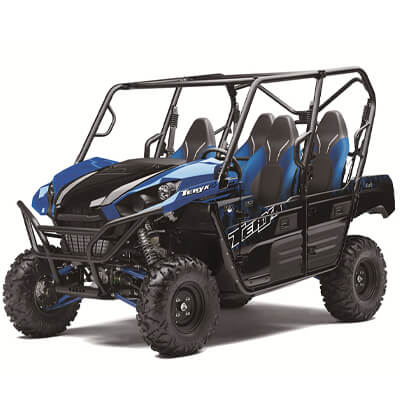
Before you even touch a wrench, start with a slow lap around your UTV. A quick visual sweep can help you catch the small stuff, such as flat tires, cracked fenders, dangling wires, sagging brake lines, fresh drips under the chassis, or hardware that's come loose.
Do this with your UTV parked upright, on level ground, and ideally in daylight. You’d be surprised at what you miss in a dark garage.
What Is T-CLOCS?
T‑CLOCS is an easy-to-follow inspection method that stands for:
Tires & Wheels, Controls, Lights & Electrics, Oil & Fluids, Chassis, and Stands.
It was originally created by the Motorcycle Safety Foundation as a quick way for riders to check their machines before heading out. Over the years, it’s proven just as useful for UTVs and ATVs because the fundamentals are the same. It’s meant to catch small issues early on.
I like T‑CLOCS because it gives you a clear path from front to back, so you don’t miss anything important. It’s just as useful for prepping for a long desert ride as it is for shaking off the dust after months of having your ride parked in your garage.
T-CLOCS Pre-Ride Inspection Checklist
Hauling tools on the ranch, heading off-trail with your crew, or taking a weekend hunting trip? With this checklist, you can keep your UTV running safely and smoothly.
From the doors to the floor to the engine and beyond, below is a breakdown of each T-CLOCS category, along with exactly what to look for before you hit the ignition.
Tires & Wheels
Start by inspecting all four tires for visible damage. Look for cracks, punctures, bulging, or signs of dry rot. These are pretty common near the sidewalls. Your tread depth should be even. You can buy a gauge at your local auto parts store for a few bucks! The last thing you want is for your tires to wear unevenly, as it can create issues for your suspension or alignment.
From there, use a tire pressure gauge to make sure each tire is properly inflated. Most UTVs have tires with pressures that range between 8–12 psi for off-road use and 18–25 psi for more stable, on-road handling. Of course, it’s always important to check your owner's manual for the correct spec.
If you have the ability to do so, spin each tire while elevated to check for wobbling or bent rims. While you’re down there, inspect the axle nuts, lug bolts, and wheel bearings to make sure they’re tightened properly. You never want loose hardware.
I always recommend carrying a spare tire with you. If you don’t have a place to store one, look into spare tire carriers.
Controls
Your controls need to be responsive and smooth each time you head out. Start with the throttle. It should snap back into position without sticking. Then check the clutch and brake levers or pedals for any stiffness or sponginess.
Next, take a look at the cables to see if you notice any visible fraying or pinching. Twist the handlebars from side to side with the key off and the engine cool. There shouldn’t be any pulling or binding in your cables or lines.
If you have hydraulic brakes, inspect the master cylinder and reservoir for leaks or weeping fluid. Your pedals and foot controls should also feel firm..
Lights & Electrics
Confirm your lights are working across the board. This includes your low and high beams, taillights, brake lights, and turn signals. If any of them are dim or flickering, start by checking the bulb and socket.
Hit the horn to make sure it works, too. This is one that many riders tend to forget, though a horn can save you in an emergency. Inspect your battery terminals for corrosion or buildup next. If you see any white or greenish crust, it means they need to be cleaned. You can buy battery terminal cleaners at your local auto parts shop for pretty cheap.
If your rig includes GPS units, auxiliary LEDs, winches, or other electronic accessories, now’s the time to confirm they’re functioning as they should.
Oil & Fluids

Pop open your inspection ports and dipsticks.
First, check your engine oil with your dipstick. It should be clean and amber-colored. If it’s dark, sludgy, or milky, it means you either need to change it or it might be contaminated with water.
Then check brake fluid, transmission oil, coolant (if liquid-cooled), and power steering fluid where applicable. Top off any low fluids with the right grade.
Pro tip: NEVER mix types or brands unless recommended.
Check underneath your UTV for any leaks, especially if it’s been parked overnight. Finish this section off by confirming all caps are seated correctly and not cross-threaded.
Chassis
Your chassis takes a beating every time you ride your UTV. Give it the attention it deserves. Look over frame welds and joints for rust, cracks, or flaking paint.
From there, check all your suspension components, including your A-arms, tie rods, bushings, and shock mounts. Make sure nothing is bent or showing signs of play. Don’t forget skid plates!
With your UTV turned off and parked on a level surface, gently bounce or rock it from side to side while listening for loose parts or squeaky noises. If you notice anything unusual, get a second look from a professional.
Stands
If your UTV has a side or center stand, make sure it deploys and retracts properly. The return spring should be tight and functional, and the footplate should be intact and crack-free.
Additional Tips for a Safe Ride
No checklist is complete without prepping yourself for the ride. Always wear a DOT-approved helmet, gloves, boots, and high-visibility or reflective clothing. Pack a compact tool kit, a tire repair kit, and a stocked first-aid kit. If you're riding solo, let someone know your planned route and expected return time.
Finally, avoid riding if you’re tired, dehydrated, or impaired in any way.
Accessories That Enhance Ride Safety
I’m a big fan of smart gear, and there’s so much good stuff out there now that you can get without spending an arm and a leg.
For example, a GPS with real-time trail maps can keep you oriented even on remote terrain. Communication systems make group rides safer by keeping everyone in sync.
You can also install a phone mount and USB charger to keep your electronics charged. For better visibility, we also recommend backup lights or auxiliary fog lights.
For more protection while you’re riding in inclement weather, take a look at high-quality windshields or soft-cab enclosures.
Conclusion
Even the shortest ride deserves a full inspection. A few extra minutes before you set off can mean the difference between an easy cruise and a roadside disaster. T-CLOCS is a good thing to get in the habit of.
Downloadable T-CLOCS Checklist PDF
Want to keep this inspection list handy before every ride?
Download this printable T-CLOCS checklist (PDF) and stash it in your glovebox, tank bag, or shop wall. It’s nice to have a quick reference to double-check your UTV, even if you're out of service range or offline.
FAQs
Q1: How often should I do a full T-CLOCS inspection?
A1: A quick walkaround version should be done before every ride. As for a full, detailed inspection, monthly will do the trick.
Q2: Can I use T-CLOCS for a UTV or only motorcycles?
A2: Absolutely. The T-CLOCS framework is flexible and works well for motorcycles, UTVs, ATVs, and side-by-sides.
Q3: What if I spot a problem during the check?
A3: Don’t ride. Take note, fix it, and then recheck. It’s never a good idea to ignore issues, no matter how small.
Q4: Do I need special tools for this checklist?
A4: Not at all. Most inspections can be done with a tire pressure gauge, a flashlight, and a good pair of hands.


Leave a comment