
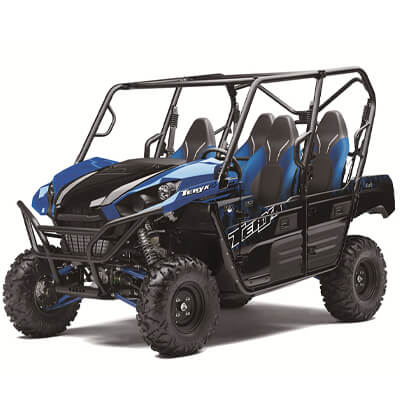

How Much Does the CFMOTO UFORCE 1000 Weigh?

How Much Does the CFMOTO UFORCE 1000 Weigh? — A Complete Guide
When you’re shopping for a UTV or planning to haul one on a trailer, add accessories, or spec a hitch and trailer, the vehicle’s weight matters — a lot. The CFMOTO UFORCE 1000 is a popular utility UTV that’s built for work (and a little play), and depending on the version and how you measure it, its weight numbers are reported a few different ways. This article untangles those numbers, explains what they mean in practice, and points out the checks every buyer or fleet manager should make before signing papers.
Quick Headline Numbers
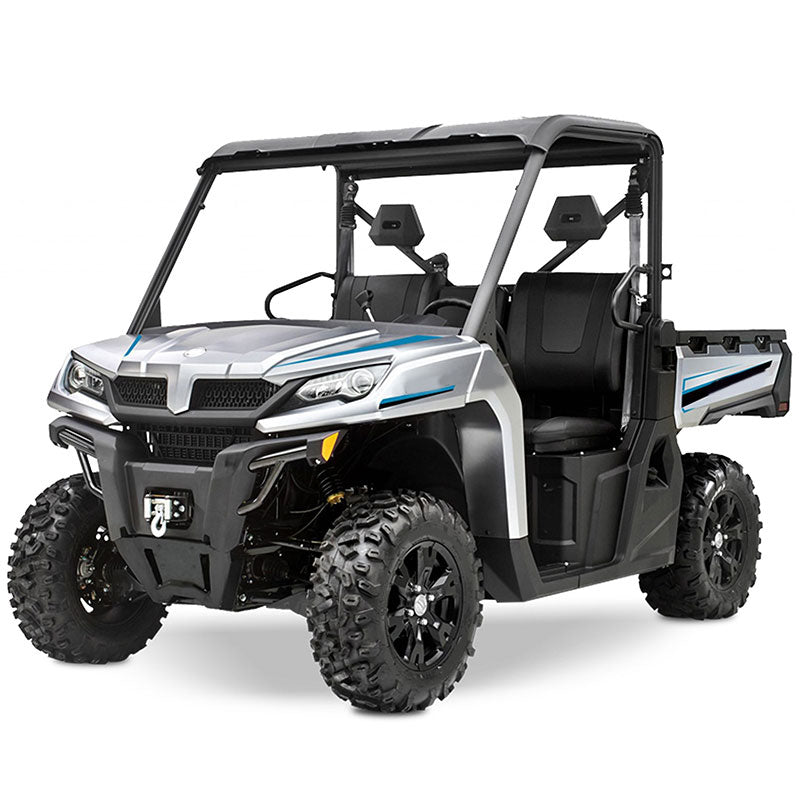
• UFORCE 1000 (standard) — listed with a dry weight around 1,537 lb (≈ 697 kg) on CFMOTO USA model pages.
• UFORCE 1000 (wet/curb, other regions) — many markets (Australia, Europe) report a wet weight near 690 kg (≈ 1,521 lb), which includes fuel and fluids.
• UFORCE 1000 XL (6-seat) — significantly heavier, with dry weight about 1,853 lb (≈ 841 kg) depending on region.
Those are the headline figures you’ll see on spec sheets. Small discrepancies between dealer listings are normal because manufacturers report dry, wet, or curb weights differently, and some dealers round up or include optional accessories in their “curb” figure.
Dry vs. Wet vs. Curb — Why the Numbers Change
Manufacturers and dealers use at least three different “weights”:
• Dry weight — vehicle without any fluids or fuel. It’s the lowest number, mostly useful for shipping.
• Wet/curb weight — vehicle with fuel and operating fluids, ready to drive. This is what you actually experience.
• Gross vehicle weight rating (GVWR) — the maximum the machine can safely weigh when loaded with passengers, cargo, and accessories.
The UFORCE 1000's dry weight is approximately 1,537 pounds, but its curb weight increases to around 1,620 pounds when fuel and lubricant are added. The XL easily surpasses 1,850 pounds before fuel and gear are added thanks to its longer frame and additional seats.
Practical Implications of the UFORCE 1000’s Weight
1. Trailer and Towing Planning
If your UTV’s curb weight is ~1,600 lb, add another 100–200 lb for accessories like a windshield, roof, or winch. Then consider the trailer itself, which can weigh 700–1,200 lb depending on size and material. Together, that’s often more than 2,500 lb — which means your tow vehicle should have a tow rating of at least 3,500 lb for safety.
Always distribute the load evenly on the trailer and keep around 10–15% of total trailer weight as tongue weight on the hitch. Over- or under-loading the tongue can lead to trailer sway and loss of control.
2. Payload Limits
The UFORCE’s cargo bed is rated for roughly 1,000 lb (450 kg) of cargo, which is generous for its class. However, every pound you add in passengers or accessories counts toward that same GVWR limit. If two adult passengers weigh 400 lb combined and you’ve added 100 lb of accessories, your “real” cargo room drops closer to 500 lb.
3. Accessory and Modification Impact
Owners love to personalize their UFORCEs — hard doors, windshields, skid plates, roof panels, winches, and sound bars are common. But every modification changes weight distribution and suspension behavior. A roof and windshield can raise the center of gravity slightly, while heavy bumpers or winches put more load on the front suspension.
If you often carry a full load or tow, consider upgrading springs or shocks to maintain balanced handling.
4. Handling and Off-Road Performance
Heavier vehicles like the UFORCE 1000 tend to feel planted and stable, especially when hauling materials or towing. However, that mass also means slower acceleration, longer braking distances, and slightly reduced agility on tight trails.
The UFORCE’s 1000 cc twin engine produces plenty of torque, so the extra weight isn’t a deal-breaker, but you’ll feel it on steep inclines or soft sand. Owners who ride in muddy terrain often note that tire choice becomes even more important — extra weight demands a tire with strong sidewalls and good self-cleaning tread.
The XL Difference
The UFORCE 1000 XL extends the chassis to accommodate up to six occupants. The longer wheelbase gives it outstanding straight-line stability but slightly limits maneuverability in dense woods or tight job sites. With an extra 300+ lb of bodywork and frame, the XL rides smoother on rough terrain but takes more space on a trailer.
If you frequently carry crews or family, the XL is worth it — just remember the added mass will require a sturdier trailer, larger storage space, and more braking distance.
How Weight Affects Everyday Use
1. Fuel Efficiency
Extra weight increases rolling resistance, which can mean a small drop in mileage. It’s usually minor for a UTV, but over long workdays, lighter setups save fuel.
2. Wear on Components
Heavier loads accelerate wear on brake pads, suspension bushings, and tires. Regular inspections and keeping tire pressure correct help offset the extra stress.
3. Ride Comfort
A well-loaded UFORCE often rides better because the suspension works within its designed range. Too little weight can make the ride bouncy; too much can bottom out the shocks.
4. Storage and Transportation
Knowing the machine’s actual loaded weight helps when selecting ramps, garage lifts, or truck beds. Aluminum ramps often have limits around 1,500–2,000 lb, so check the rating before loading.
Comparison with Similar Models
It’s useful to compare the UFORCE 1000’s weight to other utility UTVs in its class:
|
Model |
Curb Weight (approx.) |
Seats |
Engine Size |
|
CFMOTO UFORCE 1000 |
~1,520 lb |
2 |
963 cc |
|
Polaris Ranger 1000 |
~1,560 lb |
3 |
999 cc |
|
Honda Pioneer 1000 |
~1,594 lb |
3–5 |
999 cc |
|
Can-Am Defender HD10 |
~1,550 lb |
3 |
976 cc |
You can see that the UFORCE 1000 fits neatly into the middle of this group — not the lightest, but competitive. Its slightly lower price point and solid build quality make it attractive to ranchers, farmers, and recreational riders who need a dependable, mid-weight workhorse.
Buyer Checklist — Before You Buy or Haul
1. Confirm the weight type (dry vs. curb) on the dealer’s spec sheet.
2. Account for accessories — roof, windshield, winch, and cab kits can add 100–150 lb easily.
3. Verify trailer GVWR and tongue weight capacity before towing.
4. Calculate total loaded weight (vehicle + accessories + cargo + passengers).
5. Match tires and suspension to your load style — heavier builds may benefit from stiffer springs.
6. Inspect regularly — check bearings, brakes, and tire wear more frequently if carrying heavy loads.
Final Takeaway
The CFMOTO UFORCE 1000 sits squarely in the mid-weight class of utility side-by-sides. Expect:
• Standard model: ~1,537 lb dry / ~1,620 lb curb
• XL model: ~1,850 lb dry / ~1,950 lb curb
These numbers make it manageable for transportation and trail use while providing the stability and performance anticipated from a full-size work UTV. Although weight isn't the most noticeable feature, it has an impact on almost every facet of ownership, including handling, acceleration, component life, and trailer size and storage capacity.
Before you buy, confirm the official curb weight for your region, add up the accessories you plan to install, and choose your trailer and tow vehicle accordingly. Doing so ensures that your UFORCE 1000 not only performs its best but also stays safe, efficient, and durable for years of riding and working ahead.
FAQs
Q1: Is the CFMOTO engine reliable?
A1: Yes — CFMOTO engines are generally reliable, especially in newer models. They use solid designs and perform well with regular maintenance. However, they’re not as proven or polished as Honda or Yamaha engines, and issues like minor oil leaks or limited dealer support can occur. In short: good reliability for the price, but maintenance and proper care are key.
Q2: How fast does a Uforce 1000 go?
A2: The CFMOTO UFORCE 1000 has a top speed of about 70–75 mph (113–120 km/h) on flat ground. Actual speed varies with load, terrain, and accessories.
Q3: What is the life expectancy of a CFMOTO?
A3: A well-maintained CFMOTO UTV or bike can last 8–10 years or 30,000–50,000 miles / 4,000–5,000 hours, depending on how it’s used.
Image source:CFMOTO


Leave a comment